

The EU’s 2025 Semiconductor Push: What You Need to Know
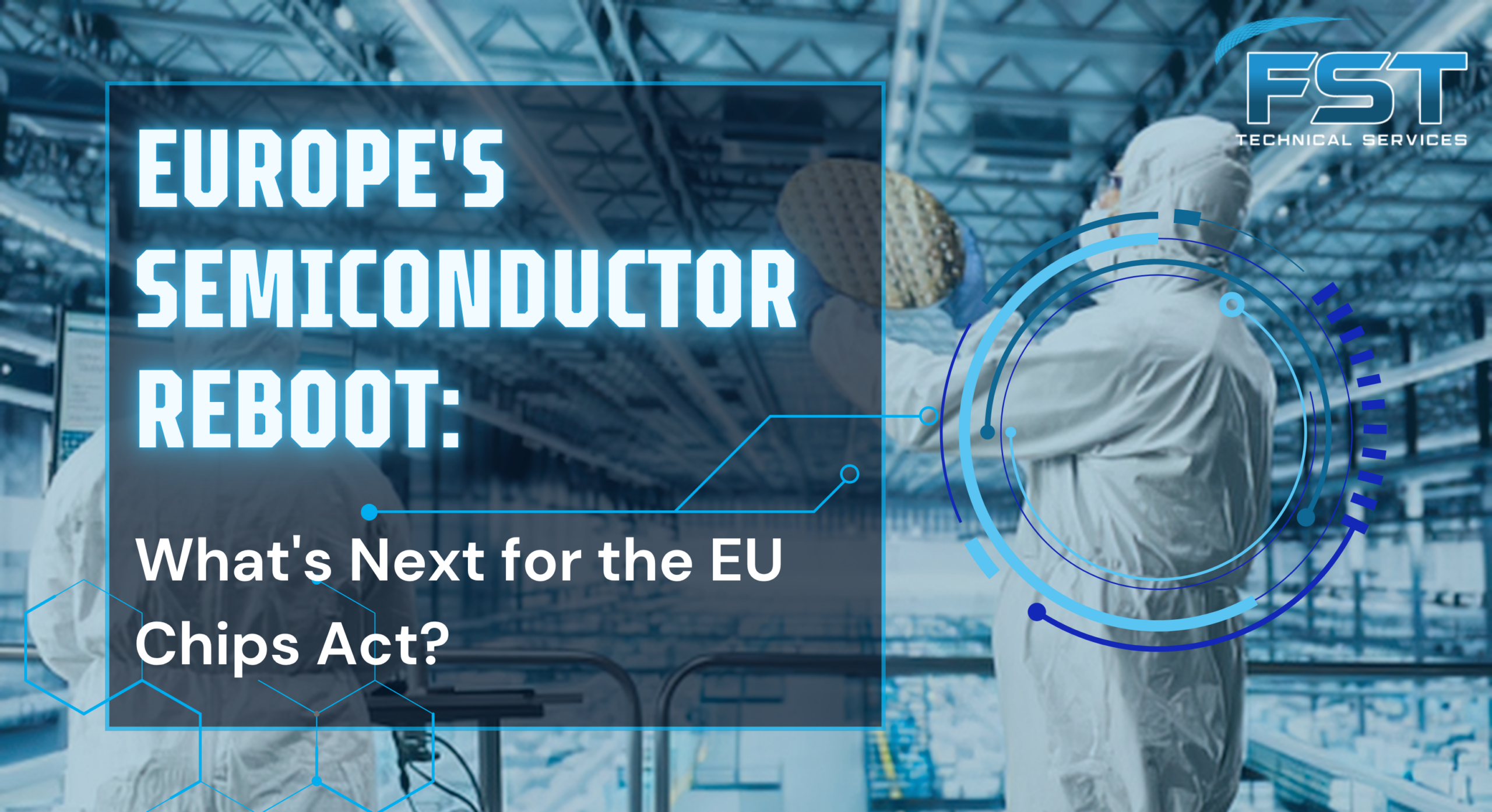
The European Union (EU) has been working to strengthen its position in the global semiconductor market through the EU Chips Act, launched in 2023. The initiative was designed to boost chip production, increase supply chain resilience and reduce Europe’s dependence on foreign suppliers, with a target to double the EU’s global semiconductor market share from 10% to 20% by 2030.
By 2025, it became clear that the original plan needed refinement. The EU is now pivoting toward a new phase, informally known as “Chips Act 2.0,” to address gaps in the original strategy and adapt to shifting geopolitical and industry realities.
A Shift in Europe’s Chip Strategy
While the EU Chips Act attracted €43 billion in planned public and private investment, implementation revealed several challenges:
- Big tech players held back on major commitments.
- Too much emphasis was placed on legacy chip production.
- Key areas like design, equipment manufacturing and materials received less attention.
This led to growing concerns that the EU might miss its 2030 target. In response, policymakers began advancing a revised strategy, informally known as “Chips Act 2.0,” to address these shortcomings and strengthen Europe’s competitiveness across the semiconductor value chain.
Introducing “Chips Act 2.0”
In response, EU countries and tech leaders proposed an updated version of the initiative, informally known as Chips Act 2.0.
Key improvements include:
- Broader funding scope beyond just manufacturing.
- Faster project approvals and reduced bureaucracy.
- Support for chip design, Research & Development and advanced equipment.
- More access for small and mid-sized tech companies.
In March 2025, nine EU countries, including Ireland, Germany, France and the Netherlands, formed the Semiconductor Coalition to advance Europe’s competitiveness and strategic autonomy in the semiconductor sector. The coalition is focused on strengthening research, expanding production capacity and supporting the development of a highly skilled workforce.
The European Commission welcomed the Semiconductor Coalition, which provides a strong signal of Member States’ commitment to fostering an innovative, competitive, and resilient semiconductor ecosystem in Europe. The Commission strongly supports this initiative and continued collaboration with all Member States and with public and private semiconductor stakeholders.
The European Commission is already working with Member States through the Chips Act, which has mobilized over €80 billion in investments for semiconductor manufacturing and R&D. The work of the Semiconductor Coalition will contribute valuable insights to refine the policy framework to further support Europe’s ambitions in the semiconductor field.
Focus on Economic Security
In parallel, the EU is also reviewing how its tech companies invest abroad. As of January 2025, the European Commission is conducting a risk assessment of outbound investments in sectors like semiconductors, AI and quantum tech. This is meant to prevent sensitive technologies from flowing into potentially hostile markets. While not yet law, the move reflects growing concerns over economic security and tech sovereignty.
What This Means for the Industry
For companies across the semiconductor ecosystem, the EU’s updated strategy could create new opportunities to secure targeted public funding, participate in innovation programs and collaborate across borders. Start-ups, scale-ups and established technology providers may benefit from easier access to support as the EU broadens its focus beyond manufacturing to include design, pilot lines, equipment and materials.
- More targeted public funding
- Easier access for start-ups and scale-ups
- Increased support for innovation and pilot lines
- Improved collaboration across EU countries
Companies involved in semiconductor design, fabrication, tooling and materials are likely to follow these developments closely as funding priorities, approval processes and cross-border partnerships continue to evolve.
What This Means for FST
As an established provider of quality assurance and quality control (QA/QC), analytical testing and construction management services (CMS) across Ireland and Israel, FST is well positioned to support semiconductor projects throughout Europe. The company’s experience delivering mission-critical services for advanced technology facilities provides a strong foundation for helping clients capitalize on opportunities created by the EU Chips Act.
FST has already completed several projects in Germany. Combined with its recent acquisitions and expanded service offerings, the company is well equipped to meet the evolving needs of the semiconductor industry and continue delivering value to clients across the sector.
Looking Ahead
Europe’s renewed semiconductor strategy represents an important opportunity to strengthen the region’s competitiveness and resilience. If implemented effectively, the next phase of the Chips Act could accelerate innovation, streamline investment and reinforce Europe’s position in the global semiconductor landscape.
Achieving the EU’s 2030 ambitions will depend on continued collaboration among governments, industry leaders and investors, as well as efforts to reduce regulatory barriers and respond to an increasingly dynamic global market.